
 Using our brains for women’s equity is essential in addressing the many challenges women face today.
In today’s world, women often face a multitude of inequities, from gender-based discrimination in the workplace to societal expectations and pressures. These challenges can take a toll on mental health and brain health, leading to stress, anxiety, and a sense of helplessness.
Issues like the gender gap, gender differences, and biological sex differences can disproportionately affect women, influencing both mental well-being and women’s health.
However, cognitive behavioral strategies offer powerful tools that can help women navigate and overcome these inequities, fostering resilience and empowerment. This includes addressing gender stereotypes and promoting gender equality.
Understanding Cognitive Behavioral Coaching (CBC)
Cognitive Behavioral Coaching focuses on identifying and changing negative thought patterns and behaviors. It operates on the principle that our thoughts, feelings, and behaviors are interconnected, and that by changing our thoughts, we can alter our emotional responses and actions.
These cognitive processes can also be influenced by sex differences in brain function, sometimes discussed in the context of the female brain and the study of female and male brains.
READ: Executive Leadership Lessons from a High School Coach
Applying CBC to Address Inequities – Using Our Brains for Women’s Equity
Here are several cognitive behavioral strategies that women can use to deal with the inequities in their lives, which are often linked to gender identity, gender stereotypes, and social expectations:
 1. Identifying Negative Thought Patterns
 1. Identifying Negative Thought Patterns
The first step in CBC is recognizing the negative thoughts that contribute to feelings of inequity. Women might internalize societal messages that devalue their worth or capabilities.
By identifying these negative thoughts, such as “I’m not good enough” or “I don’t deserve success,” women can begin to challenge and change them — an essential skill for promoting academic success and confidence.
2. Reframing Negative Thoughts
Once negative thoughts are identified, the next step is to reframe them into positive or neutral thoughts.
For instance, changing “I’m not good enough” to “I am capable and have achieved many things” helps shift the mindset. This reframe encourages self-compassion and confidence, reducing the impact of external inequities and gender stereotypes.
3. Developing Assertiveness Skills
CBC can help women develop assertiveness skills, which are crucial in dealing with inequities such as workplace discrimination or unequal household responsibilities.
Learning to communicate needs and boundaries effectively empowers women to advocate for themselves in various aspects of life and close the gender gap that can disproportionately affect women in leadership and compensation.
READ: Embracing feminine leadership in today’s business world
4. Setting Realistic Goals
 4. Setting Realistic Goals
Setting and achieving realistic goals is a core CBC strategy that fosters a sense of accomplishment and control. By breaking down larger goals into smaller, manageable steps, women can make steady progress despite external challenges.
This approach reinforces the belief that change is possible and within their control — contributing to both professional advancement and academic success.
5. Practicing Self-Compassion
Self-compassion involves treating oneself with kindness and understanding during times of failure or inadequacy. Women facing inequities often struggle with self-criticism.
CBC encourages the practice of self-compassion, which can alleviate the emotional burden of inequities and promote mental and brain health — areas that organizations like the Women’s Brain Foundation actively support through research and advocacy on women’s health.
6. Building a Support Network
CBC emphasizes the importance of social support in managing stress and improving mental health. Women can benefit from building and maintaining a network of supportive friends, family members, or mentors who understand and empathize with their struggles.
This network can provide emotional support, practical advice, and a sense of belonging while challenging harmful gender stereotypes.
READ: Let’s Talk About It: Sexual Wellness During Perimenopause and Menopause
Real-Life Applications
In the Workplace
 Women can use CBC strategies to address workplace inequities by recognizing and challenging self-limiting beliefs, such as imposter syndrome.
Assertiveness training can empower women to negotiate salaries, seek promotions, and address discriminatory behaviors confidently — helping to close the gender gap and reduce inequities that disproportionately affect women.
In Personal Relationships
In personal relationships, CBC can help women set boundaries and communicate their needs effectively. This is especially important in situations where traditional gender roles might dictate unequal distribution of household responsibilities or emotional labor.
Recognizing and addressing gender differences and biological sex differences in communication styles can also improve mutual understanding and respect.
In Societal Engagement
On a broader scale, CBC can equip women with the mental resilience needed to engage in advocacy and activism.
By maintaining a positive outlook and focusing on actionable steps, women can contribute to societal change while protecting their mental and brain health. These actions support gender equality and awareness of how sex differences and gender identity shape lived experiences.
READ: You Don’t Have to Sacrifice Your Career Goals to Prioritize Your Family
Understanding Biological and Gender-Based Influences on the Human Brain
Research continues to reveal how biological differences and innate differences between male and female individuals shape various aspects of cognition, emotion, and behavior.
 The human brain is composed of complex brain regions responsible for memory, reasoning, and emotional processing, and such differences in these areas can help explain certain patterns observed across genders.
However, it is important to note that gender disparities often arise not purely from biology but also from external factors such as social conditioning, cultural expectations, and access to adequate resources.
While some brain regions may show variation due to biological differences, overgeneralization can lead to persistent gender biases that underestimate the abilities of high-achieving women or discourage women scientists from pursuing advanced careers.
Encouraging balanced perspectives on such differences helps avoid reinforcing stereotypes and instead supports a more holistic understanding of the human brain and its remarkable adaptability.
Bridging the Women’s Health Gap for Global Progress and Equity
According to the World Economic Forum, there is a critical need to address the women’s health gap, as women, on average, spend nine additional years in poor health compared with men.
 Closing this gap could potentially boost the global economy by US$1 trillion annually, with neurological disorders alone accounting for nearly 25% (US$250 billion) of the economic opportunity tied to improved women’s brain health.
Since approximately half of the world’s population will experience a psychiatric disorder at some point in their life, promoting self-efficacy, positive role models, and equitable career choices plays a crucial role in advancing both health and economic stability.
Addressing unequal access to healthcare and education can also help cushion the effects of any economic downturn.
Furthermore, challenging neurosexism through counter-stereotypical imaging—which highlights women thriving in traditionally male roles—can reshape perceptions and empower women to pursue leadership, innovation, and progress across all fields.
READ: Setting goals for executive coaching
Advancing Gender Parity and Diversity in Neuroscience and Society
To address the ongoing gender imbalance in research, leadership, and professional recognition, organizations and institutions are implementing diversity initiatives and awareness campaigns on a global scale.
 These efforts aim to reduce gender disparities and promote gender parity in both scientific and corporate environments.
By providing adequate resources and mentorship opportunities, such programs foster higher career satisfaction and life satisfaction among high achieving women who contribute significantly to scientific progress and innovation.
In addition, integrating precision medicine approaches that consider innate differences and biological differences in male and female physiology can improve treatments for neurological disorders that disproportionately affect one gender.
Supporting women scientists through funding and leadership opportunities helps correct the long-standing gender imbalance and encourages meaningful change in health research and policy.
Ultimately, reducing gender biases and acknowledging such differences across disciplines will contribute to a fairer, more inclusive environment where career satisfaction, social status, and life satisfaction are achievable for all.
Challenging Biological Determinism Through Brain Activation and Social Progress
While biological determinism has long been used to justify gender disparities, neuroscience now reveals that brain activation patterns are not fixed but shaped by experience, environment, and education.
This understanding allows many women to redefine what is possible for their lives and careers. Promoting social progress requires dismantling outdated beliefs that biological determinism dictates capability, recognizing that the human brain is adaptive and capable of remarkable growth.
By highlighting key brain areas involved in learning, empathy, and decision-making, researchers are showing how enriched environments and equitable opportunities foster more progress for other women worldwide.
True social progress happens when we celebrate flexibility in brain activation and reject deterministic narratives that limit potential based on gender.
Redefining Social and Cultural Norms to Support Women in STEM Careers
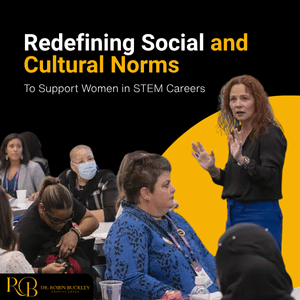 Across societies, social norms and cultural norms still shape perceptions about women’s roles, reinforcing a gendered division of labor that discourages many women from pursuing STEM careers.
These deep-rooted expectations not only affect personal aspirations but also influence the development of key structures within education and employment systems that either hinder or enable social progress.
By promoting inclusivity and reexamining cultural norms, we can foster more progress in breaking down barriers that limit other women in science and technology.
Understanding brain activation patterns and brain areas linked to problem-solving and creativity further emphasizes that innovation thrives when social norms evolve beyond stereotypes.
Empowering women to challenge the gendered division of opportunity is not just about fairness—it’s about achieving a more equitable and progressive world.
READ: A guide to cognitive behavioral strategies for executives
Conclusion
Cognitive behavioral strategies offer a robust framework for women to address and overcome the inequities they face. By changing negative thought patterns, developing assertiveness, setting realistic goals, practicing self-compassion, and building supportive networks, women can empower themselves to navigate challenges and advocate for their rights and well-being.
Embracing these strategies not only enhances individual mental and brain health but also contributes to the broader movement towards gender equality.
ChatGPT said:
Understanding gender differences, biological sex differences, and how they influence the female brain can deepen awareness of women’s unique challenges — and inspire continued support for initiatives like the Women’s Brain Foundation that promote women’s health and academic success. This is a vital step in using our brains for women’s equity.