
Still?: Our continued conversations regarding women’s inequities remind us that, despite significant progress in gender equality over the past century, women around the world continue to face numerous inequities that permeate various aspects of their lives.
These disparities affect their personal, professional, and social spheres, creating a landscape where equality remains an aspirational goal rather than a reality. Understanding the types of inequities women deal with is essential to fostering awareness and driving meaningful change.
Still?: Our Continued Conversations Regarding Women’s Inequities
Even after decades of advocacy and progress, the question remains—still? Women across the globe continue to face systemic barriers that limit their opportunities, well-being, and sense of belonging.
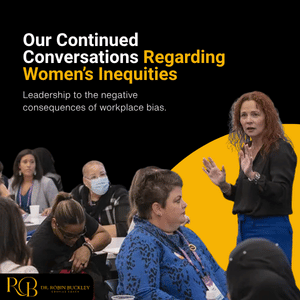 Our continued conversations regarding women’s inequities are essential to uncovering both subtle and overt forms of discrimination, from gender gaps in leadership to the negative consequences of workplace bias.
By maintaining an ongoing dialogue, we can challenge persistent stereotypes, evaluate the effectiveness of existing policies, and ensure that the pursuit of gender equity remains a central priority in all aspects of society.
Here, we explore some of the most pervasive forms of inequity that women encounter.
1. Economic Inequities
Wage Gap
One of the most widely recognized economic inequities is the gender wage gap. Women, on average, earn less than men for the same work. This disparity is influenced by factors such as occupational segregation, gender discrimination, and differing access to education and professional opportunities.
Job Segregation
Women are often concentrated in lower-paying industries and positions, a phenomenon known as occupational segregation. Fields traditionally dominated by women, such as caregiving and education, are typically undervalued and underpaid compared to male-dominated fields like engineering and technology.
 Lack of Financial Support
 Lack of Financial Support
Women entrepreneurs face significant challenges in securing funding for their businesses. Venture capital and investment funds are disproportionately allocated to male-led ventures, leaving women with fewer resources to grow and sustain their businesses.
2. Educational Inequities
Access to Education
In many parts of the world, girls and women face barriers to accessing education. Cultural norms, economic constraints, and safety concerns often prevent girls from attending school, leading to lower literacy rates and limited opportunities for higher education and employment.
STEM Representation
In fields such as science, technology, engineering, and mathematics (STEM), women are significantly underrepresented. This underrepresentation begins in early education and continues through higher education and into the workforce, perpetuating gender disparities in high-paying and influential careers.
3. Health Inequities
Reproductive Health
 Women often encounter barriers to accessing comprehensive reproductive health care, including contraception, maternity care, and safe abortion services. These barriers are exacerbated by restrictive laws, a lack of healthcare infrastructure, and socio-cultural stigmas.
Healthcare Bias
Research shows that women’s health concerns are frequently dismissed or underestimated by healthcare providers, leading to disparities in diagnosis, treatment, and overall health outcomes. Conditions like heart disease, menopause, and chronic pain are often misdiagnosed or undertreated in women.
4. Political Inequities
Representation in Governance
Globally, women remain underrepresented in political leadership and decision-making roles. This lack of representation limits the diversity of perspectives in policy-making and often results in the marginalization of issues that predominantly affect women.
Voter Suppression
In some regions, women face voter suppression tactics, including intimidation, misinformation, and restrictive laws that hinder their ability to participate fully in the electoral process.
5. Social and Cultural Inequities
Gender-Based Violence
 Gender-based violence, including domestic abuse, sexual harassment, and human trafficking, remains a pervasive issue. Women are disproportionately affected by violence, which impacts their physical and mental health, economic stability, and overall well-being.
Cultural Norms and Stereotypes
Deeply ingrained cultural norms and gender stereotypes limit women’s roles and opportunities. These stereotypes perpetuate the belief that women are less capable than men, influencing everything from career choices to household responsibilities.
6. Workplace Inequities
Glass Ceiling
The glass ceiling is a metaphor for the invisible barriers that prevent women from reaching senior leadership positions in their careers. Despite having the same qualifications and experience as their male counterparts, women often find themselves excluded from top-tier roles.
Work-Life Balance
Women frequently bear a disproportionate share of caregiving and domestic responsibilities, making it challenging to balance professional and personal life. This imbalance often forces women to make difficult choices between career advancement and family obligations.
7. Legal Inequities
Discriminatory Laws
In many countries, laws and regulations explicitly discriminate against women, restricting their rights in areas such as property ownership, inheritance, and divorce. These legal barriers significantly hinder women’s autonomy and economic independence.
Justice System Bias
Women often face biases within the justice system, including victim-blaming in cases of sexual violence and harsher penalties for certain crimes compared to men. These biases undermine trust in the legal system and deter women from seeking justice.
Promoting Gender Equity in the Workplace to Close Gender Gaps
 Organizational decision makers must actively address gender equity to overcome persistent gender gaps that affect both male and female employees.
Gender bias and gender harassment contribute to negative consequences such as lower job performance ratings for female workers and limit career growth, especially for female applicants and minority women.
Understanding gender differences and acknowledging gender identity are essential in creating policies that support pregnant women and foster work-family balance.
Addressing these issues helps reduce the pay gap and gender inequities, ensuring women belonging to diverse backgrounds, including Latina women, are supported and empowered to advance their women’s careers with confidence.
Overcoming Societal Barriers Impacting Women’s Careers and Health
 Gender inequalities deeply intersect with societal norms that impact women working across various sectors. Men and women often encounter different challenges due to ingrained gender inequities, including gender harassment and stereotypes about women’s competence.
Women frequently face pressure to compromise, which affects both their professional trajectory and physical health. Gender intersects with race and ethnicity, resulting in unique challenges for Latina women and minority women.
Addressing these gender gaps requires challenging systemic gender inequalities and fostering environments that recognize the full potential of female employees, support their health and career progression, and create equal opportunities free from gender bias.
Conclusion
The inequities women face are multifaceted and deeply rooted in societal structures. Addressing these disparities requires concerted efforts from individuals, communities, governments, and international organizations.
By understanding the various forms of inequity, we can better advocate for policies and practices that promote gender equality and empower women to achieve their full potential.
The journey towards true equality is ongoing, but with awareness and action, we can pave the way for a more equitable future. Still?: Our continued conversations regarding women’s inequities will ensure that progress is sustained and that persistent challenges are not overlooked.