
I am taking back the term “feminine wiles for equity.”. In society, this phrase typically refers to some femme fatale, seducing a man to do her bidding. But what if this concept was bastardized in an effort to hold women down?
A quick Google search will offer a less gender-biased definition that I can get behind: clever tricks that somebody uses in order to get what they want or to make somebody behave in a particular way.
What if feminine wiles are simply ways women use their skills to achieve power in their lives? Is this so bad? If the same were said of a male counterpart, would society be as judgmental?
Reclaiming Power Through Feminine Wiles for Equity
Women across the globe encounter numerous inequities that hinder their progress in various aspects of life. From economic and educational barriers to social and political obstacles, these disparities can be overwhelming.
However, women possess incredible resilience and have the power to push back against these inequities. By employing strategic actions and leveraging available resources (i.e. their feminine wiles), women can drive change and create a more equitable society for themselves and future generations.
Here are several strategies for women to challenge and overcome the inequities they face.
 1. Educate and Empower Yourself
Knowledge is Power
Understanding your rights and the inequities you face is the first step towards challenging them. Educate yourself about gender equality issues, legal rights, and available resources. Organizations like UN Women and local advocacy groups often provide valuable information and support.
Skill Development
Invest in your personal and professional development. Acquire new skills, seek further education, and stay updated with industry trends. Enhanced skills and knowledge not only boost confidence but also increase your marketability and opportunities for advancement.
2. Advocate for Equal Opportunities
Speak Up
Use your voice to highlight inequities in your workplace, community, and society. Whether it’s addressing wage gaps, advocating for better healthcare, or challenging discriminatory practices, vocalizing these issues is crucial. Encourage open dialogues and push for transparency in policies and practices.
 Join or Form Advocacy Groups
 Join or Form Advocacy Groups
Collective action amplifies individual voices. Join existing advocacy groups or form new ones focused on gender equality. Collaborate with like-minded individuals to create awareness campaigns, lobby for policy changes, and support each other in the fight against inequities.
3. Leverage Legal and Policy Tools
Know Your Legal Rights
Familiarize yourself with the legal protections available to you in your country. This includes rights related to employment, education, healthcare, and protection against violence. Understanding the legal framework helps in identifying when your rights are being violated and knowing the avenues for recourse.
Engage in Policy Advocacy
Advocate for policy changes that promote gender equality. This could involve lobbying for legislation that supports equal pay, parental leave, reproductive rights, and protection against gender-based violence.
It could also be the “power of the dollar,” and only purchasing products from companies that support women’s issues and equity. Engaging in policy advocacy ensures that systemic changes are made to address the root causes of inequity.
4. Build a Support Network
Mentorship and Sponsorship
 Mentorship and Sponsorship
Seek out mentors and sponsors who can provide guidance, support, and advocacy. Mentors offer valuable advice based on their experiences, while sponsors actively promote your career advancement by leveraging their influence and networks.
Community Support
Build and maintain a strong support network of friends, family, and colleagues. These networks provide emotional support, practical advice, and a sense of solidarity. Engaging in communities, whether online or offline, can also open doors to new opportunities and resources.
5. Foster Workplace Equity
Promote Inclusive Practices
Advocate for inclusive practices in your workplace. This includes pushing for unbiased recruitment processes, fair pay, equal opportunities for advancement, and supportive policies like flexible working arrangements and parental leave.
Challenge Discrimination
Do not tolerate discriminatory behavior. Address it directly with the involved parties, report it to the appropriate authorities, and support others who are facing discrimination. Creating a culture of accountability helps in dismantling systemic biases.
6. Engage in Continuous Learning and Self-Care
Continuous Learning
 Continuous Learning
Stay informed about global and local gender equality issues. Attend workshops, seminars, and conferences that focus on women’s rights and empowerment. Continuous learning helps in adapting to changing landscapes and finding innovative solutions to persistent inequities.
Self-Care and Mental Health
Taking care of your mental and physical health is paramount. Facing inequities can be stressful and exhausting. Practice self-care routines, seek professional help if needed, and ensure that you are mentally and physically equipped to handle challenges. Remember that taking care of yourself is a crucial part of sustaining long-term activism and advocacy.
7. Utilize Technology and Social Media
Raise Awareness
Leverage social media platforms to raise awareness about gender inequities and share your experiences. Digital platforms amplify your voice and can reach a broad audience, creating greater awareness and support for your cause.
Online Communities and Resources
Join online communities that focus on gender equality and women’s empowerment. These platforms offer resources, networking opportunities, and support. They can also be instrumental in organizing campaigns and mobilizing collective action.
Redefine Leadership and Success
 Many women have shown that leadership takes many forms — from guiding teams and companies to nurturing families and communities. A woman does not need to fit one mold to be a leader.
Each person can define success in their own way, proving that control, compassion, and collaboration can coexist. By setting an example of inclusive leadership, women demonstrate that empathy and strength are not opposites, but partners in progress.
Acknowledge the Shared Struggle and Collective Power
While not all women face the same things, the majority share a struggle against systems built to limit them. Mothers, wives, professionals, and leaders alike balance endless responsibilities — from caring for children to running a company or even a country.
Imagine what could happen if every female voice were heard equally, from the boardroom to the presidency. Recognizing these shared experiences is the first point of unity — and unity is where true power begins.
Inspire the Next Generation to Lead with Awareness
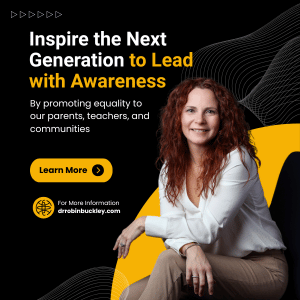 To inspire the next generation of women, we must become aware of how our choices, voices, and actions shape the world they inherit. Young women in college or just starting their careers should be encouraged to pursue their passions and act with confidence, not hesitation.
Society often assumes that guys are naturally better suited to lead, but this outdated belief ignores the strength, intelligence, and vision of women everywhere.
By promoting equality to our parents, teachers, and communities, we build a culture that treats all genders as equals, not exceptions.
Balancing Ambition, Feelings, and Real-World Challenges
To some extent, modern women face conflicting pressures — to be smart, successful, and composed, while also being in touch with their feelings. It’s okay to admit that anxiety can arise when balancing work, relationships, and even politics.
Whether single or married, women constantly navigate expectations that can be both empowering and exhausting. We must remind ourselves that vulnerability does not make us weak — it makes us real.
When women hear stories of honesty and perseverance, they find the courage to define their lives authentically and lead without apology.
Conclusion
Pushing back against the inequities women face requires using our feminine wiles. This multi-faceted approach combines personal empowerment, collective action, and systemic change.
By educating ourselves, advocating for equal opportunities, leveraging legal tools, building support networks, fostering workplace equity, engaging in continuous learning and self-care, and utilizing technology, we as women can effectively challenge and overcome the barriers we encounter.
Together, these strategies contribute to a more equitable and inclusive world where women can thrive. The journey is ongoing, but with resilience, solidarity, and strategic action, significant progress can be made. This is the true power of feminine wiles for equity.