
As you begin this journey, it’s important to ask yourself: who’s on your A-Team?
In the journey towards achieving gender equality, women cannot and should not fight alone. Building a strong network of allies and advocates – in other words, your A-Team – is essential for creating meaningful and lasting change.
Who’s on Your A-Team: Building Allies and Advocates for Gender Equality
Allies—people who are not directly affected by gender inequities but who support the cause—can provide crucial support, resources, and amplification of voices.
Advocates, on the other hand, actively work to promote gender equality and combat inequities. Here’s how women can effectively pull in allies and advocates to join them in their fight against inequities.
 1. Educate and Raise Awareness
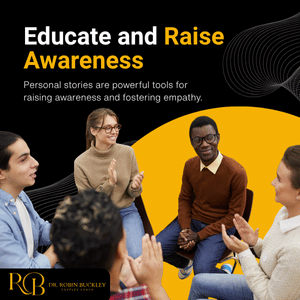 1. Educate and Raise Awareness
Share Personal Stories
Personal stories are powerful tools for raising awareness and fostering empathy. By sharing your experiences with friends, colleagues, and community members, you can help them understand the impact of gender inequities on your life. Authentic narratives can move people from passive awareness to active support.
Provide Information and Resources
Equip potential allies with information and resources. Share articles, research studies, and documentaries that highlight gender inequities and their consequences. Educational resources help people understand the broader context and motivate them to take action.
2. Engage in Open Dialogues
Initiate Conversations
Start conversations about gender inequality in various settings—at work, in social gatherings, and within community groups. Encourage open dialogues where people can ask questions, express their thoughts, and learn from each other. These discussions can break down misconceptions and build a shared understanding of the issues.
Listen and Learn
Engage with allies and advocates by listening to their perspectives and learning from their experiences. A two-way dialogue fosters mutual respect and collaboration. It also helps in identifying common goals and strategies for tackling inequities.
3. Build Inclusive Networks
 Seek Diverse Allies
Gender equality benefits from diverse perspectives. Seek allies from different backgrounds, genders, and sectors. Men, in particular, can be powerful allies in the fight for gender equality. Their support can help challenge stereotypes and create a more inclusive environment.
Join Existing Advocacy Groups
Participate in existing advocacy groups and networks that focus on gender equality. These groups often have established resources, strategies, and platforms for action. Collaborating with like-minded individuals strengthens the collective effort.
4. Encourage Male Allies
Engage Men in the Conversation
Actively invite men to participate in conversations about gender equality. Highlight the importance of their role as allies and how they can contribute to creating a more equitable society.
Addressing gender inequities benefits everyone, including men, by fostering healthier and more balanced relationships and work environments.
Provide Tools for Advocacy
Equip male allies with practical tools and strategies for advocacy. This could include training sessions on recognizing and addressing gender bias, workshops on effective allyship, and resources for supporting women in the workplace and beyond.
5. Leverage Social Media and Technology
 Amplify Voices
Use social media platforms to amplify voices advocating for gender equality. Share stories, campaigns, and initiatives that highlight gender inequities and promote action. Social media can help reach a wider audience and build a larger coalition of supporters.
Create Online Communities
Create or join online communities dedicated to gender equality. These communities provide a space for sharing resources, organizing events, and supporting each other. Online platforms facilitate connection and collaboration across geographic boundaries.
6. Promote Policy Changes
Lobby for Legislative Support
Work with allies and advocates to lobby for policy changes that promote gender equality. This could involve writing to legislators, participating in public forums, and supporting candidates who prioritize gender equity. Collective advocacy can influence policy decisions and drive systemic change.
Support Workplace Policies
Encourage allies to advocate for equitable workplace policies, such as equal pay, parental leave, and anti-discrimination measures. Allies in leadership positions can play a critical role in implementing and promoting these policies within their organizations.
7. Recognize and Celebrate Allies
 Acknowledge Contributions
Recognize and celebrate the contributions of your allies and advocates. Publicly acknowledging their support reinforces the importance of their role and encourages continued involvement. It also inspires others to join the cause.
Build a Culture of Gratitude
Foster a culture of gratitude within your advocacy efforts. Expressing appreciation creates a positive and motivating environment, strengthening the bonds between allies and advocates.
Strengthen Team Dynamics for Greater Impact
A cohesive project team thrives when every team member understands their responsibilities and communicates openly and effectively. Many teams forget about this.
Strong team dynamics ensure that everyone stays on the same page, supports one another, and collaborates effectively toward shared objectives.
This unity helps transform individual efforts into collective success, empowering the entire team to drive meaningful change in the fight for gender equality.
Empower Team Leaders to Guide Collaboration
 Effective leadership plays a key role in maintaining focus, accountability, and direction. Team leaders should model inclusive behavior, encourage feedback, and create room for all voices to be heard.
Their ability to inspire and coordinate other team members strengthens problem-solving skills and ensures the group remains focused on progress and improvement.
Foster Problem-Solving Skills Through Collaboration
Building your A-Team means cultivating the ability to identify challenges and create thoughtful solutions together. Encouraging open discussion and gathering information from diverse perspectives enhances decision-making and helps avoid mistakes.
By developing these skills, teams can navigate obstacles with confidence and sustain the momentum needed to succeed in promoting gender equality. The team’s success will be greater.
Strengthen Communication and Accountability Within the Team
Effective communication is the foundation of strong teamwork and ensures that every person understands their different roles within the organization.
When each member is clear about their tasks and position, they can stay accountable and responsible for delivering quality results.
In every meeting, it’s important to create space for sharing ideas and addressing challenges openly—because how we discuss and resolve a mistake can matter just as much as how we celebrate success.
A supportive team environment that values openness and respect leads to stronger collaboration, greater trust, and lasting progress in achieving gender equality.
Conclusion
Building an A-Team is crucial for combating the inequities women face. By educating and raising awareness, engaging in open dialogues, building inclusive networks, encouraging male allies, leveraging social media and technology, promoting policy changes, and recognizing contributions, women can draw in essential support.
Together, these strategies help create a united front that is more powerful and effective in driving meaningful change towards gender equality and fulfilling jobs.
With solidarity and shared purpose, we can make significant strides in the fight against inequities, fostering a more equitable and just world for all.
In the end, true progress begins by asking one simple question: Who’s on your A-Team?