
The Physiological Rollercoaster of Change
 When life shifts, our bodies don’t just adjust mentally — they react biologically, too. The physiological rollercoaster of change can activate powerful systems in the brain and body, sparking emotions that feel difficult to control.
One of the key players in this process is the amygdala, which interprets new experiences as potential threats. Its responses often set the stage for fear, anxiety, and deeply rooted emotional patterns that shape how we handle future transitions.
Related article: Thriving Under Pressure for Peak Performance
Fear and anxiety
The amygdala’s activation can result in feelings of fear and anxiety as it interprets change as a potential threat to our well-being. This heightened emotional state can lead to a range of physical symptoms, including increased heart rate, rapid breathing, and muscle tension.
Emotional memory
The amygdala is also involved in storing emotional memories associated with past experiences. When faced with similar situations in the future, the amygdala quickly retrieves these memories, influencing our emotional response and decision-making processes. This can lead to a cycle of heightened emotional reactivity to change, even if the actual threat is minimal.
The Sympathetic Nervous System: The Body’s Alarm System
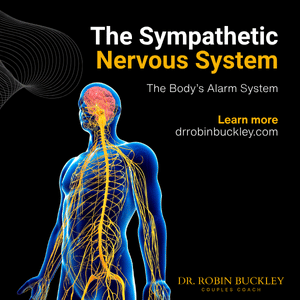 The sympathetic nervous system is responsible for activating the body’s “fight or flight” response in times of stress or danger. When confronted with change, the sympathetic nervous system springs into action, preparing the body to either confront the threat head-on or flee from it.
Adrenaline rush
One of the key responses of the sympathetic nervous system is the release of adrenaline, also known as epinephrine. This hormone floods the body, increasing heart rate, blood pressure, and respiratory rate, and providing a burst of energy to deal with the perceived threat.
Related article: Setting goals for executive coaching
Cortisol surge
In addition to adrenaline, the sympathetic nervous system triggers the release of cortisol, often referred to as the stress hormone.
Cortisol helps regulate metabolism, blood sugar levels, and immune function. Still, prolonged exposure to high levels of cortisol can have detrimental effects on health, including increased risk of anxiety, depression, and cardiovascular disease.
Other Biological Reactions to Change
In addition to the amygdala and the sympathetic nervous system, there are other biological reactions that occur in response to change:
Digestive discomfort
Change can disrupt the normal functioning of the digestive system, leading to symptoms such as nausea, diarrhea, or stomach cramps. The gut-brain connection, also known as the “enteric nervous system,” means that changes in our emotional state can impact our digestive health.
Related article: Being Ambitious and Goal-Oriented Does Not Make You Selfish
Immune system suppression
Prolonged stress from change can weaken the immune system, making us more susceptible to infections and illnesses. This occurs due to the release of stress hormones like cortisol, which suppress immune function and inhibit the body’s ability to fight off pathogens.
Navigating the Emotional Rollercoaster of Change
 Going through change often feels like riding an emotional rollercoaster, filled with mood swings, intense emotions, and even moments of sadness or anger. These emotions experienced during transitions can create difficulties in maintaining calm and emotional well-being.
A study found that changing emotions are often linked to increased levels of stress hormones, which can leave a person feeling overwhelmed. Positive psychology offers effective ways to adapt, helping individuals engage with the process instead of resisting it.
By practicing empathy and discussing the root cause of these challenges, one can better cope with uncomfortable stages and develop skills to manage stress more effectively.
Related article: Harnessing the Power of Change
The Mind-Body Connection: Stress and Physical Health
The physiological impact of stress from change goes beyond mental strain, often producing significant physical effects. Research findings and the latest research suggest that prolonged worry and hormonal shifts may contribute to cardiovascular disease, as well as other health difficulties.
When stress hormones remain elevated, they can disrupt mood, behavior, and even immune function. This highlights the crucial relationship between our environment, mental state, and physical health.
While emotions can sometimes create a challenge, finding relief through deep breathing exercises and other effective ways to regain control is essential.
Positive Effects of Resilience in Times of Transition
 Despite the roller coaster of emotions that transitions bring, there can also be positive effects. Research indicates that when individuals adapt to change, they develop essential skills in resilience, empathy, and emotional regulation.
The process of moving through different stages of discomfort can ultimately strengthen mental health, mood, and relationships. Learning to control worry and anger while finding positive ways to cope allows people to discuss challenges openly and find relief.
Even though age and environment play a role in how emotions unfold, effective ways to engage with change help transform sadness into growth and turn challenge into opportunity.
Related article: Why Change and Transitions Are Hard