
In a January 2024 survey of 600 C-suite executives, Chief found that over 50% believe 2024 will be more challenging than the previous year and that external factors impact their businesses’ success more than internal factors.
 In the ever-evolving and competitive landscape of leadership, the year 2024 presents a unique set of complex challenges that demand resilience, adaptability, emotional intelligence, and strategic decision making.
From the polarized American elections to global conflicts impacting economies and industries, and the breakneck speed of technological advances, leaders are facing unprecedented pressures that require navigating complex challenges, critical analysis, and systems thinking to align with long-term organizational goals. Job satisfaction, training programs heightened focus measurable outcomes mental well being career transitions
In this turbulence, the need for leaders to effectively navigate change, support their teams, and foster productivity is more critical than ever.
Leadership today also requires self awareness, self regulation, and decision making processes that balance risk taking, diverse perspectives, and the ability to create opportunities and identify potential solutions even in changing circumstances.
Challenges for Leaders in 2024 and the Power of Cognitive Behavioral Coaching
Leaders in 2024 face unprecedented political, economic, and technological challenges. Cognitive behavioral coaching offers the tools and mindset needed to navigate uncertainty, build resilience, and lead with clarity.
The Perfect Storm: Challenges facing leaders in 2024
Political Polarization: The aftermath of past elections and the anticipation of upcoming American elections have created a nation divided. Leaders must navigate through an environment of heightened political tensions, where differing ideologies can impact team dynamics and workplace culture.
Global Conflicts and Economic Uncertainty: Ongoing global conflicts cast a shadow on economic stability and perceptions of overall security.
Leaders are tasked with analyzing situations and steering their organizations through uncertain economic terrain, where geopolitical events can have a direct impact on industries and market trends.
Related articles: Cognitive Behavioral Strategies to Manage Change and Transition
Technological Revolution: The relentless pace of technological advances introduces both opportunities and complex problems. Leaders need to stay ahead of the curve, embracing innovation while mitigating the potential disruptions and anxieties that rapid change can bring.
The Role of Cognitive Behavioral Coaching
Amidst these challenges, cognitive behavioral coaching emerges as a beacon of guidance for leaders striving not only to survive but also to thrive in the face of adversity. Here’s how this approach can be a game-changer:
Navigating Change with Agility
 Cognitive behavioral coaching equips leaders with the mental flexibility to handle decision-making under pressure and navigate complexity swiftly and effectively.
By fostering effective leadership grounded in continuous learning and understanding, leaders can guide their teams through uncertainties with confidence and clarity.
Personal and Professional Support
In an era where personal and professional lives are more intertwined than ever, leaders must extend genuine support to their teams.
Cognitive behavioral coaching provides tools for helping leaders cultivate psychological safety, encourage leaders to prioritize empathy, and strengthen relationships that play a crucial role in achieving organizational goals.
Fostering Productivity and Inspiration
By mastering cognitive behavioral strategies, leaders can create a work environment that sustains productivity while inspiring innovation.
Related article: Unveiling the power of cognitive behavioral strategies
This approach strengthens leadership development, boosts problem-solving, and sharpens the ability to evaluate various contexts, adapt to today’s dynamic world, and pursue strategic decisions that create opportunities even amidst uncertainty.
Embracing the Cognitive Resilience Journey
The challenges that senior leaders face in 2024 are formidable, but so are the tools at their disposal. Cognitive behavioral coaching offers a holistic approach, enabling leaders to navigate the complexities of a polarized world, global conflicts, climate change, and rapid technological advancements.
 As neuroscience shows, the prefrontal cortex plays a vital role in decision-making processes and critical analysis, while the risk of an amygdala hijack can derail strategic decisions.
Through coaching, leaders develop self-regulation and resilience, enhancing their capacity for problem-solving and helping leaders align actions with organizational goals.
As we stand on the precipice of changing circumstances, the leaders who invest in mastering cognitive resilience and leadership development will not only weather the storm but also emerge as beacons of inspiration and stability for their teams and organizations.
The journey toward a more resilient and empowered leadership—one rooted in effective leadership, psychological safety, and continuous learning—starts now.
Related article: The transformative benefits of Cognitive Behavioral Coaching in the workplace
The Importance of Adaptive Leadership in 2024
As leaders enter 2024, the importance of embracing adaptive approaches cannot be overstated. Modern leadership development programs are no longer just about traditional learning—they emphasize mental flexibility, resilience, and the ability to respond effectively to rapid shifts.
In times of crisis, leaders must apply strategic thinking and sharpen decision-making skills that account for the nature of today’s interconnected world.
For any leader’s ability to thrive in demanding leadership roles, building strong support networks and developing the requisite skills becomes essential for overcoming obstacles that arise as a major challenge in uncertain environments.
Recognizing the interconnected elements of global events, technology, and human behavior enables leaders to integrate new methods into existing practices.
Leaders who regularly assess their approaches while also prioritizing well-being and emotional support for their teams are better positioned to succeed.
By placing a clear focus on ensuring alignment across the organization, leaders can strengthen planning systems and encourage innovation.
The outcome is not just survival, but stronger outcomes that allow leaders to thrive, adapt, and set a forward-looking future vision.
Related article: My Mom’s Death: How cognitive behavioral strategies work in life’s hardest moments
Cognitive Behavioral Coaching: From Stress to Growth
 Leaders today must master the art of navigating complexity while maintaining composure under intense stress. Cognitive behavioral coaching provides an example of how reflective techniques can help leaders reflect on challenges and shift perspectives.
When used in the right context, these coaching tools support leaders in planning for uncertain environments and completing strategies with confidence.
They learn to cultivate a clear sense of balance and purpose that ultimately transforms turbulence into learning opportunities. By adopting methods that prioritize creating opportunities, leaders not only strengthen their teams but also foster resilience.
The ability to adapt mindsets, apply improved management approaches, and encourage continuous growth ensures leaders are prepared for change and capable of guiding their organizations with stability and clarity.
Building Leadership Effectiveness for Organizational Success
In today’s competitive business world, leaders must focus on leadership effectiveness as a core driver of organizational success. Effective leaders understand that organizational psychology and organizational behavior influence every aspect of team dynamics, from motivation to employee satisfaction.
By applying thoughtful leadership practices and adapting their leadership style, executives can foster a positive organizational culture that strengthens resilience and adaptability.
Related article: A guide to cognitive behavioral strategies for executives
Cognitive behavioral coaching interventions also support leaders in addressing leadership challenges, equipping them with the ability to inspire teams and enhance organizational performance.
This proactive approach not only ensures overall organizational performance but also promotes a positive work environment where individuals and teams can thrive.
Leadership Growth Through Coaching and Development
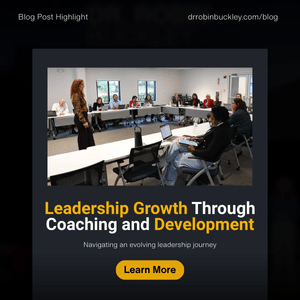 Cognitive behavioral coaching empowers leaders to pursue both personal and professional growth and professional development while navigating an evolving leadership journey.
Programs centered on executive development allow leaders to cultivate communication skills, adopt a growth mindset, and pursue personal growth alongside professional growth.
Such frameworks encourage continuous improvement, enabling such leaders to apply practical strategies that guide their teams through change.
By providing constructive feedback, mentors and coaches help leaders gain deeper insights, achieve a more comprehensive understanding of leadership dynamics, and sharpen their ability to deliver valuable insights.
This path of leadership growth reflects an ongoing process of adaptation and reflection, essential for sustained success in uncertain times.
Embracing a New Leadership Paradigm for the Future
The rapid pace of organizational change requires embracing a new leadership paradigm—one that balances resilience, empathy, and adaptability with exquisite skills to manage complexity.
Leaders must develop a heightened understanding of how global issues and local contexts intertwine, ensuring their decisions contribute to the organization’s success.
Integrating organizational psychology principles with innovative leadership practices allows leaders to create environments that safeguard mental health while encouraging leadership growth.
Related article: What is cognitive behavioral coaching?
By pursuing this deeper understanding, leaders can guide their organizations through uncertainty, inspire trust, and adapt to evolving realities.
Ultimately, this approach transforms leadership into an ongoing process of learning, reflection, and renewal—one that ensures resilience and positions leaders to thrive in the future.
Strengthening Leaders Through Development and Support
When leaders learn these skills, they feel happier at work because they have the tools to handle things when they’re not sure what will happen.
They can also help their team feel safe and supported. Learning to be clear and flexible helps leaders know what’s most important, even when things are crazy. This leads to better and more predictable results.
It’s also super important to help leaders stay healthy in their minds. Being a good leader for a long time means you have to take care of yourself.
 One way companies can help is with coaching. Coaches can guide leaders when they get a new job or their work changes. By teaching leaders these skills, companies help them do well in their own lives and at work.
It also makes them better at guiding their teams with confidence. The journey to having stronger, more prepared leaders, who know how to lead well, make their team feel safe, and never stop learning, can begin today.
This is the essence of navigating the storm: challenges for leaders in 2024 and the power of cognitive behavioral coaching.