
The Rise of Authenticity
 Authenticity has become a cornerstone of modern leadership. Leaders who are genuine and true to themselves build trust and credibility among their teams.
Authentic leaders are not afraid to show their true colors, share their values, and stand up for what they believe in. This authenticity fosters a culture of openness and encourages team members to be themselves, leading to increased engagement and productivity.
In a world where information is readily available, people can easily spot a fake. Authentic leaders, therefore, are more relatable and inspire loyalty and respect from their teams. They prioritize honest communication and create an environment where people feel valued and understood.
Learn how cognitive behavioral coaching can help leaders build resilience and adaptability in the workplace in our post, Leading with Resilience: The Transformative Benefits of Cognitive Behavioral Coaching in the Workplace.
The Importance of Transparency
 Transparency is another vital aspect of contemporary leadership. In an age where misinformation can spread like wildfire, leaders who are transparent and open about their decisions and actions build trust and foster a culture of accountability.
Transparency involves sharing information openly, admitting mistakes, and seeking feedback from team members. Transparency helps to eliminate confusion and reduce the fear of the unknown.
When leaders are transparent, they empower their teams to make informed decisions and take ownership of their work. This openness also encourages collaboration and innovation, as team members feel confident sharing their ideas and perspectives without fear of retribution.
Embracing Vulnerability
Vulnerability might seem like an unusual trait for a leader, but it has become increasingly important in today’s leadership landscape.
Leaders who are willing to show vulnerability demonstrate humility and authenticity, making them more approachable and empathetic. Acknowledging weaknesses and mistakes humanizes leaders and makes them more relatable to their teams.
To better understand how these traits shape effective leadership, explore our post The Science Behind the Success: Unveiling the Power of Cognitive Behavioral Strategies, which explains the psychological principles that support authentic and resilient leaders.
Vulnerability also fosters a culture of trust and psychological safety. When leaders are open about their challenges and struggles, it encourages team members to do the same.
This openness creates a supportive environment where people feel comfortable taking risks, experimenting with new ideas, and learning from failures.
From Stoic Authoritarian to Adaptive Leadership in Today’s World
 In recent years, the shift from stoic authoritarian detached sad the outdated norms of leadership to more empathetic approaches has marked a significant transformation.
Leaders embracing cognitive behavioral strategies can remain calm amid global unrest, economic worries, and constant change, helping individuals seeking guidance feel supported in today’s world.
Harnessing Mental Health and Resilience as a Powerful Tool
Prioritizing mental health has become a powerful tool for leaders navigating the inevitable aspects of life, fear, and adversity.
By applying cognitive behavioral strategies and continuous improvement techniques, leaders help teams manage physiological reactions, trigger feelings of anxiety, and feel less overwhelmed by polarized politics, climate changes, and shifting career paths in today’s world.
Navigating Career Paths and Organizational Growth Amid Uncertainty
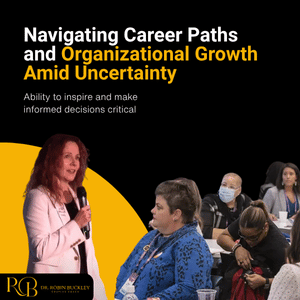 Leaders today must guide teams through constant change, changing laws, and global unrest, making the ability to inspire and make informed decisions critical.
Those who understand the importance of career paths, continuous improvement, and respecting the journey of individuals seeking new opportunities can achieve a commanding presence while managing fear and uncertainty in today’s world.
challenging, truth, knowledge, wisdom, moment, person, concerned, emotions, possibilities, moments, aware, point, feeling overwhelmed, new city, lives,