
Fear of the Unknown
 One of the primary reasons why change is hard for humans is the fear of the unknown. Our brains are wired to seek safety and avoid potential threats.
When faced with unfamiliar situations, our minds may perceive them as potential threats, triggering a stress response that heightens our senses and prepares us for “fight or flight.”
Related article: Cognitive Behavioral Strategies to Manage Change and Transition
Loss of Control
Change often involves a loss of control, which can be unsettling for many people. We like to feel in control of our lives, and when circumstances change beyond our control, it can leave us feeling vulnerable and powerless.
Cognitive Dissonance
Cognitive dissonance occurs when there is a discrepancy between our beliefs, attitudes, and behaviors. Change can challenge our existing beliefs and values, creating internal conflict and discomfort as we try to reconcile new information with our existing worldview.
Why Transitions Feel So Hard for Most People
 Change is a universal human experience, yet life transitions can feel overwhelming because they disrupt our routines and challenge our sense of security. Whether you’re changing jobs, moving to a new city, or adjusting to a new baby, the brain and nervous system react strongly.
These shifts activate human psychology at a deep level, often triggering anxiety and fear. It’s normal for emotions to surface as you struggle with uncertainty or try to maintain a familiar environment.
For most people, such big changes come with several reasons to worry, but they also open the door to personal growth and the ability to develop new skills that make the process easier over time.
Related article: Embracing Change as a Pathway to Growth and Transformation
The Role of Mind and Body in the Transition Period
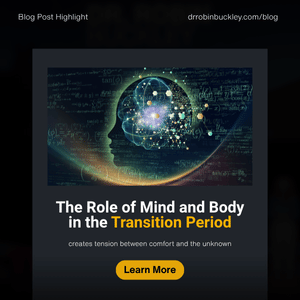 Every transition period creates tension between comfort and the unknown. Transitions feel difficult because the brain perceives unexpected transitions as threats, and we naturally try to resist change.
Even a career transition can become anxiety-provoking when it challenges your professional identity or requires stepping into a new role. That’s why developing coping strategies and practicing mindfulness techniques is essential.
They help you stay grounded in the present moment, embrace your feelings, and build realistic expectations about what to expect.
With time, new routines and supportive friends or family can make the process of entering a new phase feel less like a struggle and more like an opportunity to feel alive.
To dive deeper into how your body reacts during times of uncertainty, explore our The Physiological Rollercoaster of Change.
Finding Balance and Strength Through Transitions
When facing a career shift, a new beginning, or even a new career, it helps to see life transition moments as invitations to focus energy on both personal life and professional aspirations.
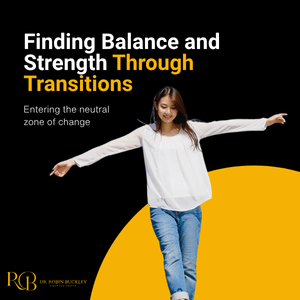 Entering the neutral zone of change—where the past is behind you but the future hasn’t fully taken shape- can feel challenging, but it’s also where true personal growth happens.
Mindfulness techniques and reflection on your own pace can help cope with challenging phases and reduce anxiety. By learning to imagine what lies on the other side, you discover a renewed sense of direction, control, and ability to adapt.
Though transitions may initially drain your energy, they ultimately provide guidance, help you embrace something new, and remind you that it takes time—but you will eventually move forward into a stronger beginning.
Every person goes through this process differently, and thinking with patience makes the experience easier to manage. Having support from loved ones or mentors often makes transitions less overwhelming.
In fact, career transitions are among the most common and significant life changes people navigate.
Related article: Being Ambitious and Goal-Oriented Does Not Make You Selfish