In the ever-evolving landscape of the professional world, executive coaching and cultivating a growth mindset in leaders have become hallmarks of success. The pursuit of continuous improvement and personal development has become a defining trait of effective leadership. One transformative tool that has gained prominence in recent years is executive coaching.
 Beyond refining leadership skills, executive coaching has proven to be a catalyst for fostering a growth mindset among clients.
Leaders who actively seek growth through coaching discover that seeking feedback and viewing every challenge as a learning opportunity leads to more positive outcomes in their professional journey.
Before exploring how executive coaching fosters a growth mindset, it’s essential to understand the concept itself. Coined by psychologist Carol Dweck, a growth mindset is the belief that one’s abilities and intelligence can be developed through dedication, hard work, and resilience.
Embracing a growth mindset opens doors to innovation, learning, and adaptability, essential qualities in today’s dynamic professional environment. It also allows individuals to approach challenges with confidence, shifting focus from limitations to possibilities in a collaborative environment where growth is encouraged.
Related article: Embracing Change as a Pathway to Growth and Transformation
How Executive Coaching and Cultivating a Growth Mindset in Leaders
Executive coaching helps leaders gain a deeper understanding of themselves, continue learning, and view challenges as opportunities for personal and professional growth.
Coaching teaches leaders to adopt a positive attitude towards learning, ask for feedback, use effective leadership strategies, and collaborate with others to achieve lasting success.
Encourages Self-Reflection
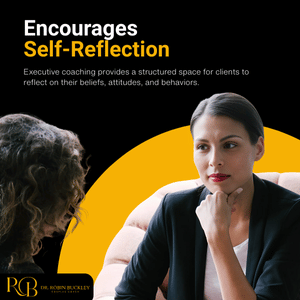
Executive coaching provides a structured space for clients to reflect on their beliefs, attitudes, and behaviors. Through guided introspection, individuals gain insights into their fixed mindset tendencies and begin to recognize areas for improvement. This is especially effective when leaders are seeking feedback to enhance self-awareness and drive improvement.
Goal Setting and Vision Alignment
Coaches work collaboratively with clients to set realistic yet challenging goals. This process encourages individuals to see challenges as opportunities for growth rather than insurmountable obstacles.
By aligning goals with a growth-oriented vision, clients are more likely to embrace challenges and learn from setbacks, viewing each as a valuable learning opportunity that can lead to positive outcomes.
Related article: Harnessing the Power of Change
Constructive Feedback and Developmental Opportunities
Executive coaches are skilled at providing constructive feedback that focuses on areas for improvement while acknowledging strengths.
This approach shifts the client’s perspective from a fixed mindset, where feedback may be perceived as criticism, to a growth mindset, where feedback becomes a valuable tool for personal growth and development. Leaders who actively seek this type of input often discover new leadership strategies and long-term benefits.
Promotes a Learning Culture

Through targeted coaching conversations, clients are encouraged to view every experience, even failures, as a chance to learn and grow.
Coaches help individuals reframe setbacks as stepping stones toward mastery rather than as indications of incompetence. This creates a collaborative environment where teams approach challenges together and shift focus from blame to collective progress.
Building Resilience and Emotional Intelligence
Executive coaching equips clients with tools to navigate challenges with resilience and emotional intelligence. By learning to manage setbacks, stress, and interpersonal dynamics effectively, clients develop a growth mindset that propels them forward, even in the face of adversity.
This mindset encourages them to approach challenges with clarity and to recognize setbacks as opportunities for growth and positive outcomes.
Challenges Limiting Beliefs
Coaches work with clients to identify and challenge limiting beliefs that may hinder growth. By reframing negative thoughts and fostering a positive mindset, individuals can overcome self-imposed barriers and embrace new possibilities.
Leaders who shift focus from limitations to opportunities build resilience, create learning opportunities, and thrive in collaborative environments that reinforce long-term success.
Related article: Why Change and Transitions Are Hard
Leadership Development Through Coaching and Assessments
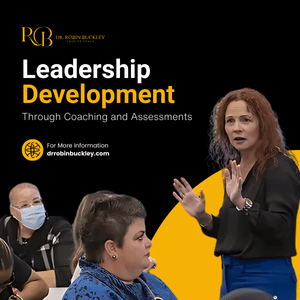 Executive coaching is not only about refining immediate leadership strategies but also about long-term leadership development. By incorporating leadership assessments and structured coaching sessions, leaders gain self-awareness about their strengths, blind spots, and growth opportunities.
This process creates valuable learning experiences that reinforce both personal and professional growth. Senior leaders who engage in these practices often recognize growth in areas such as decision-making, emotional intelligence, and team management.
With the right guidance, leaders develop a growth-oriented mindset that fuels sustainable success and encourages others within the organizational culture to do the same.
Creating a Growth-Oriented Culture for Sustainable Success
A strong organizational culture thrives when psychological safety and continuous learning are prioritized. Executive coaching supports this by helping leaders cultivate an environment where team members feel safe to share ideas, seek feedback, and embrace learning opportunities.
This growth-oriented culture empowers individuals to view challenges as chances for personal growth rather than threats to performance.
As leaders model effective leadership and a growth mindset starts to permeate the workplace, organizations experience greater innovation, collaboration, and long-term resilience.
Recognizing growth at both the individual and organizational levels ensures sustainable success and reinforces the importance of investing in continuous learning.
Related article: Stoic, Authoritarian, & Detached (SAD): The out-dated norms of leadership