
If you’re seeking couples coaching Denver CO, you’ve come to the right place to explore practical, strengths-based strategies to improve your relationship, foster intimacy, and create a partnership built on trust, communication, and personal growth.
Whether you’re navigating long-term challenges or simply looking to strengthen your connection, couples coaching can offer the tools and guidance you need to move forward together.
What is Couples Coaching Denver CO and How It Helps
Couples coaching focuses on empowering partners to develop practical skills, set goals, and implement positive change.
Unlike therapy, which often focuses on emotional processing, past wounds, or mental health diagnoses, coaching is future-focused and action-oriented, emphasizing measurable progress, accountability, and lasting change.
 Couples coaching is ideal for couples who want to:
- Improve communication and reduce recurring conflict
- Build healthy relationships
- Foster intimacy and emotional connection
- Navigate life transitions like relocation, career changes, or parenting
- Strengthen bonds before marriage with premarital counseling
By contrast, couples therapy typically targets deeper psychological patterns, mental health concerns, or trauma, while marriage counseling focuses on relationship issues with some elements of therapy integrated. Relationship counseling may blend coaching and therapy approaches, offering a flexible option depending on your goals.
Ready to take the first step toward a stronger connection? Schedule a consultation today!
About Dr. Robin Buckley, PhD
Dr. Robin Buckley combines clinical psychology expertise with a coaching orientation to deliver practical, evidence-informed services.
She has over a decade of experience helping couples and individuals navigate relationship challenges, mental health concerns, and personal growth.
Her approach emphasizes collaboration, measurable progress, and a balance of skill-building with emotional insight.
Couples Coaching vs. Couples Therapy vs. Counseling
It’s common to confuse coaching, therapy, and counseling, but the differences can significantly impact your experience and results. Understanding each option helps you make a choice that aligns with your relationship goals.
For example, relationship coaching focuses on practical strategies, goal-setting, and skill development, while individual counseling addresses personal growth and mental health concerns within or alongside the therapy process.
Coaching often encourages partners to cultivate self-love and personal responsibility, which strengthens the partnership as a whole.
| Area | Couples Coaching | Couples Therapy | Couples Counseling |
|---|---|---|---|
| Focus | Present and future goals, skill-building, actionable change | Emotional processing, past trauma, mental health treatment | Relationship dynamics, problem-solving, conflict resolution |
| Approach | Goal-oriented, homework, accountability | Insight-oriented, long-term healing | Supportive guidance, skill development, communication tools |
| Ideal For | Motivated couples seeking practical change | Couples with significant mental health issues or trauma | Couples wanting guidance without intensive therapy |
| Duration | Short to medium term | Medium to long term | Varies, often shorter than therapy |
| Outcome Measurement | Tangible goal tracking | Symptom reduction, emotional healing | Improvement in communication and conflict management |
| Professional Background | Coaches with extensive training, some licensed clinicians | Licensed therapists, psychologists, social workers | Counselors or therapists, may be licensed or certified |
Couples coaching focuses on the present and future, giving you strategies to navigate life challenges, break free from negative patterns, and feel supported as a team. It’s about learning skills, practicing them in real-life situations, and creating lasting change together.
Curious if coaching is right for your relationship? Book a free 15-minute consultation now.
Who Benefits from Couples Coaching
 Couples coaching can be transformative for many couples. It works well for those who:
- Want to improve communication and manage conflict constructively
Desire to foster intimacy and reconnect emotionally or physically
- Are preparing for marriage through premarital counseling
- Face transitions such as moving, blending families, or career changes
- Wish to strengthen healthy relationships even if no major problems exist
Whether your goal is to heal past patterns, enhance connection, or navigate life transitions with confidence, coaching provides structured guidance and practical exercises that help you and your partner achieve measurable results.
Many couples also combine coaching with individual therapy or sex therapy for a more comprehensive approach that addresses personal challenges alongside relationship goals.
The Coaching Process
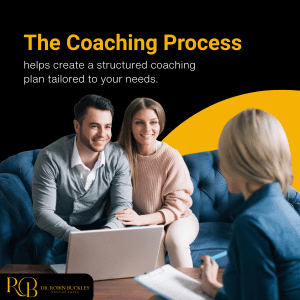
Starting couples coaching with a skilled professional, like Dr. Robin Buckley, PhD, in Denver, Colorado, begins with a thorough intake. You’ll discuss relationship history, current patterns, and goals, which helps create a structured coaching plan tailored to your needs.
 Typical Steps in the Coaching Process:
 Typical Steps in the Coaching Process:
- Intake and Assessment – Understand strengths, challenges, and patterns.
- Goal Setting – Identify measurable outcomes and objectives.
- Skill Development – Learn communication, conflict resolution, and intimacy techniques.
- Practice and Accountability – Apply skills between sessions and track progress.
- Review and Adjust – Assess improvements and update goals for continued growth.
Sessions often include structured exercises, role-playing, and feedback, allowing couples to practice real-life communication and conflict management skills in a supportive environment.
Take your first step toward clarity and connection. Contact us to schedule an appointment.
Techniques and Tools in Couples Coaching
Couples coaching uses practical, evidence-based methods to improve communication, intimacy, and trust. Some common techniques include:
- Active listening – Reflecting back your partner’s words to ensure understanding
- I-statements – Expressing feelings and needs without blame
- Time-limited check-ins – Scheduled conversations to prevent escalation
- Repair strategies – Quickly restoring connection after conflict
- Rituals of connection – Daily or weekly practices that strengthen intimacy
These techniques help couples understand each other, communicate more effectively, and heal relational patterns. Over time, these skills contribute to a stronger, more resilient relationship.
Session Structure and Format
 Coaching sessions typically last 50–75 minutes, scheduled weekly or biweekly. Couples can choose in-person sessions in Denver, CO, or telehealth sessions, providing flexibility to suit busy schedules.
Each session may include:
- Check-in on homework and skill practice
- Focused skill development or conflict exploration
- Guided practice and role-play
- Homework and micro-goals for the next session
This combination of teaching, practice, and accountability ensures couples not only learn new skills but also apply them consistently for lasting change.
Start building stronger communication and intimacy today. Schedule your first session.
When to seek couples coaching
Seek coaching when you notice persistent arguments about the same topics, emotional distance, difficulty making joint decisions, or repeated breakdowns in trust.
Couples coaching is also useful when you want to optimize an already decent relationship — for example, preparing for marriage, blending families, or strengthening a partnership during career growth. If you’re unsure whether coaching is right, consider a brief consultation to evaluate fit and objectives.
Special Considerations
Insurance and Cost
While couples coaching is generally not billed as mental health therapy, many providers accept insurance for integrated therapy-coaching models. Always check with your insurance company about coverage.
Dr. Buckley’s practice is transparent about fees, offers sliding scale options, and helps clients navigate insurance questions when possible.
When Coaching May Not Be Enough
Coaching is not a substitute for therapy when there are severe mental health issues, safety concerns, or untreated substance abuse. In these cases, therapy or counseling may be recommended, sometimes alongside coaching, for a more comprehensive approach.
Creating Lasting Change
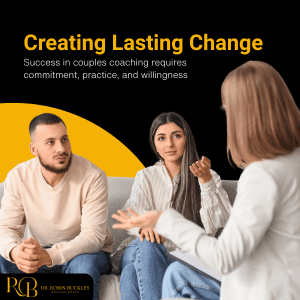 Success in couples coaching requires commitment, practice, and willingness to explore past patterns, personal habits, and relationship dynamics. Many couples notice improvements in:
- Conflict resolution and teamwork
- Emotional and physical intimacy
- Daily communication and connection
- Shared life planning and future decision-making
Couples who actively engage in coaching report feeling supported, more hopeful, and better equipped to move forward together.
Ready to experience real, measurable growth in your relationship? Schedule your first session today!
How to choose the right couples coach in Denver
When selecting a coach, consider training, clinical background, philosophy, and compatibility with both partners. Ask about the coach’s experience with couples similar to you, whether they use evidence-based practices, and how they handle conflicts or safety concerns.
You should also assess whether the coach maintains clear boundaries, confidentiality, and a collaborative process that honors both partners’ perspectives.
Book Your First Session Now!
Book your first session with us at 1 844-543-3211 or if you have any clarifications.
With the right guidance, tools, and commitment, you and your partner can foster intimacy, improve communication, and create a healthy relationship that thrives over time.
Whether you’re interested in couples coaching Denver CO, couples counseling, or marriage counseling, investing in your relationship is a journey worth taking.