
 In the fast-paced and demanding world of executive leadership, success is often measured not just by business outcomes but also by personal fulfillment, stress management, and well-being.
Cognitive Behavioral Strategies (CBS) offer a powerful toolkit for executives seeking to enhance their performance, decision-making, leadership skills, and overall satisfaction. These strategies also support mental health by addressing challenges before they escalate into more significant mental health issues.
In this blog post, we’ll explore key CBS techniques that can empower executives to navigate challenges, foster resilience, develop coping strategies, and achieve sustainable success while enhancing leadership skills and promoting personal growth.
Cognitive Restructuring
Executives often face high-pressure situations that can trigger negative thought patterns and stress management challenges. Cognitive restructuring involves identifying and challenging these automatic negative thoughts.
By reframing situations in a more positive light and adopting a growth mindset, executives can overcome self-limiting beliefs, address mental health issues, and approach challenges with a constructive perspective.
Goal Setting and Planning
 Setting clear, achievable goals is a cornerstone of executive success. CBS emphasizes the importance of realistic goal setting and creating actionable plans to reach those goals.
By breaking down larger objectives into smaller, manageable tasks, executives can maintain focus, track progress effectively, and strengthen leadership skills while supporting personal growth.
Stress Inoculation
Stress is an inherent part of executive roles, but how it is managed makes all the difference. Stress inoculation involves preparing executives to handle stress through gradual exposure and coping strategies.
By developing resilience, executives can better navigate uncertainties, manage mental health, and maintain composure under pressure. This also serves as a key element in effective executive coaching.
Behavioral Activation
Executives often juggle numerous responsibilities, and maintaining a healthy work-life balance is crucial for mental health. Behavioral activation involves identifying and engaging in activities that bring joy and fulfillment.
Related article: Executive Leadership Lessons from a High School Coach
Whether it’s spending quality time with family, pursuing hobbies, or practicing self-care, executives can recharge, develop coping strategies, and enhance overall well-being.
Social Support Networks
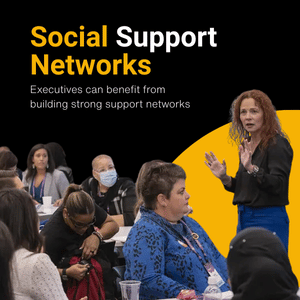 CBS recognizes the significance of social connections. Executives can benefit from building strong support networks, both within and outside the workplace.
Open communication, collaboration, and seeking advice from peers contribute to a more resilient and successful leadership journey, while also fostering self-awareness and enhancing leadership skills.
In the dynamic world of executive leadership, mastering cognitive behavioral strategies is a valuable investment in personal and professional growth.
By incorporating mindfulness, cognitive restructuring, goal setting, stress inoculation, behavioral activation, and fostering social connections, executives can develop a robust foundation for success.
As they navigate the complexities of leadership, these strategies become powerful tools to enhance performance, promote mental health, develop coping strategies, and achieve enduring success.
Related article: Do You Need a Therapist or an Executive Coach?
Integrating Cognitive and Therapeutic Approaches for Executive Success
 Executives often face mental health challenges that stem from workplace stress, high expectations, and a busy schedule.
Addressing these pressures requires a holistic approach that combines evidence-based therapies such as cognitive behavioral therapy (CBT), commitment therapy, and dialectical behavior therapy.
These methods provide a powerful tool for identifying and correcting cognitive distortions, improving emotional regulation, and developing healthier responses to stress.
A well-designed therapeutic journey enables leaders to challenge negative thought patterns, manage emotional responses, and work toward self improvement even when faced with unique challenges like chronic pain, post traumatic stress disorder, or other complex mental health conditions.
Related article: Setting goals for executive coaching
Within a supportive environment, these practices foster significant improvements, helping executives break cycles of self doubt while creating success stories that inspire.
By applying the transformative power of therapy, leaders can learn self regulation, enhance interpersonal relationships, and build resilience for a brighter future.